


Introduction
If you want to grow your website traffic without competing with big brands, then learning a smart long tail keyword research strategy is one of the best decisions you can make. Many beginners focus only on high-volume keywords, but those are often very competitive and hard to rank for. That’s where long tail keywords come in.
A long tail keyword research strategy helps you find specific search terms that people are actually using online. These keywords usually have lower competition and higher chances of ranking faster. Even better, they often bring highly targeted visitors who are more likely to take action.
In today’s SEO world, understanding user intent is more important than ever. Long tail keywords allow you to match exactly what users are searching for. Instead of guessing, you create content that directly answers their questions.
What is Long Tail Keyword Research Strategy?
A long tail keyword research strategy is the process of finding and using longer, more specific keyword phrases that people search for on search engines.
Unlike short keywords like “shoes” or “SEO,” long tail keywords are more detailed. For example:
- “best running shoes for beginners”
- “how to learn SEO at home step by step”
- “affordable laptops for students under 500”
These keywords usually have:
- Lower search volume
- Lower competition
- Higher conversion rates
The strategy involves identifying these phrases and creating content around them. Instead of targeting one broad keyword, you target many smaller ones that bring consistent traffic.
A good long tail keyword research strategy focuses on understanding what your audience needs. It is not just about keywords; it’s about solving problems and answering questions.
Why is Long Tail Keyword Research Strategy Important?
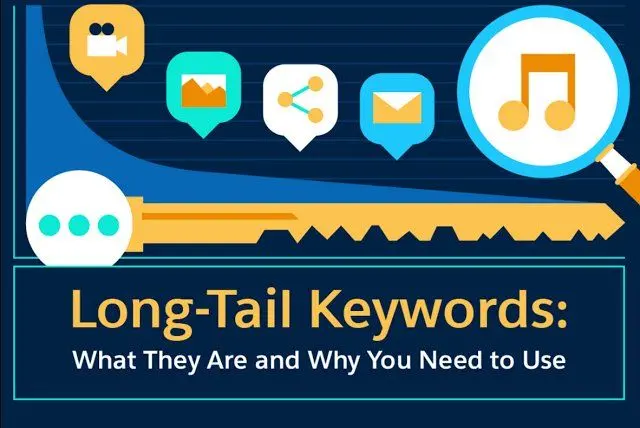
Using a long tail keyword research strategy can make a huge difference in your SEO success. Here’s why it matters.
First, it helps you rank faster. Short keywords are dominated by big websites. Long tail keywords give smaller websites a fair chance to appear on the first page.
Second, it brings targeted traffic. People searching for specific phrases already know what they want. This means they are more likely to click, stay, and convert.
Third, it improves content quality. When you focus on long tail keywords, your content becomes more helpful and detailed.
Also, it supports voice search. Many users now search using full questions. A strong long tail keyword research strategy helps you capture this growing trend.
Finally, it builds topical authority. By covering multiple related long tail keywords, your website becomes a trusted source in your niche.
Detailed Step-by-Step Guide
Step 1: Understand Your Niche
Before starting your long tail keyword research strategy, you must clearly understand your niche.
Ask yourself:
- Who is your target audience?
- What problems do they face?
- What solutions can you provide?
For example, if your niche is fitness, your audience might be beginners looking for simple workout plans.
The better you understand your audience, the easier it becomes to find the right keywords.
Step 2: Start with Seed Keywords
Seed keywords are basic terms related to your topic.
For example:
- Fitness
- Weight loss
- Home workouts
These keywords help you generate long tail ideas. You don’t target them directly, but they are the foundation of your long tail keyword research strategy.
Step 3: Use Keyword Research Tools
There are many tools that can help you find long tail keywords.
Some popular options include:
- Free keyword tools
- Search engine suggestions
- Question-based platforms
Type your seed keyword into a search engine and look at:
- Autocomplete suggestions
- Related searches
- “People also ask” section
These are great sources of real user queries.
Step 4: Analyze Search Intent
Not all keywords are equal. You must understand the intent behind each search.
There are four main types:
- Informational: “how to lose weight fast”
- Navigational: “fitness blog homepage”
- Transactional: “buy protein powder online”
- Commercial: “best protein powder brands”
A strong long tail keyword research strategy focuses on matching content with intent.
Step 5: Check Keyword Difficulty
Before choosing a keyword, check how competitive it is.
Look at:
- Top ranking websites
- Content quality
- Domain authority
If the top results are from large websites, it may be harder to rank. Instead, look for keywords where smaller sites are ranking.
Step 6: Focus on Low Competition Keywords
One of the main goals of a long tail keyword research strategy is to find low competition keywords.
These keywords:
- Are easier to rank
- Require less backlinks
- Bring quick results
Even if search volume is low, multiple low competition keywords can bring steady traffic.
Step 7: Create High-Quality Content
Once you have your keywords, create content that truly helps users.
Your content should:
- Answer questions clearly
- Provide useful information
- Be easy to read
Avoid keyword stuffing. Use your long tail keyword research strategy naturally within the content.
Step 8: Optimize On-Page SEO
Make sure your content is optimized properly.
Include your keyword in:
- Title
- Headings
- First paragraph
- Meta description
Also, use related keywords to improve relevance.
Step 9: Track and Improve
SEO is not a one-time task.
Use analytics tools to track:
- Traffic
- Rankings
- User behavior
Update your content regularly to keep it fresh and relevant.
Benefits of Long Tail Keyword Research Strategy
- Easier to rank on search engines
- Brings highly targeted traffic
- Improves conversion rates
- Reduces competition pressure
- Helps build niche authority
- Supports voice search optimization
- Enhances content quality
- Increases chances of featured snippets
Disadvantages / Risks
- Lower search volume per keyword
- Requires more content creation
- Takes time to see full results
- Needs consistent research effort
- Risk of targeting irrelevant keywords if not careful
Common Mistakes to Avoid
Many beginners make mistakes when applying a long tail keyword research strategy. Avoid these to get better results.
One common mistake is ignoring search intent. Even if a keyword looks good, it won’t work if your content doesn’t match user needs.
Another mistake is focusing only on volume. High volume doesn’t always mean better results. Relevance matters more.
Some people also overuse keywords. This can harm readability and SEO performance.
Not analyzing competitors is another issue. You should always check what’s already ranking.
Lastly, many beginners stop too early. SEO takes time, so consistency is key.
FAQs
1. What is a long tail keyword?
A long tail keyword is a specific phrase usually made up of three or more words. It targets a narrow audience and often has lower competition.
2. How many long tail keywords should I use in one article?
You should focus on one main keyword and include a few related ones naturally. Avoid overloading your content.
3. Are long tail keywords better than short keywords?
They are not necessarily better, but they are easier to rank for and bring more targeted traffic, especially for new websites.
4. How do I find long tail keywords for free?
You can use search engine suggestions, related searches, and question-based queries. These are effective and easy methods.
5. Can long tail keywords increase conversions?
Yes, because they target users who already know what they want. This makes them more likely to take action.
6. How long does it take to rank using long tail keywords?
It depends on competition and content quality, but many websites see results faster compared to short keywords.
Expert Tips & Bonus Points
To improve your long tail keyword research strategy, focus on creating content clusters. Instead of writing one article, create multiple related posts that cover a topic deeply.
Use question-based keywords. Many users search in the form of questions, so answering them can boost visibility.
Also, update old content with new keywords. This can improve rankings without creating new articles.
Another useful tip is to analyze forums and community discussions. These platforms reveal real user problems and keyword ideas.
Consistency is important. Regular keyword research and content updates will bring long-term success.
Finally, always focus on user experience. Fast loading pages, clear structure, and helpful content make a big difference.
Conclusion
A well-planned long tail keyword research strategy can completely change the way your website performs in search engines. Instead of struggling to rank for highly competitive keywords, you can focus on specific phrases that bring real results.
This approach is especially useful for beginners and growing websites. It allows you to build traffic step by step while improving your content quality. By targeting user intent and solving real problems, you create value that search engines recognize.
Although it may take time and effort, the results are worth it. With consistency, you can build authority in your niche and attract a loyal audience.
